Leading Innovations in Storage Tank Manufacturing: Enhancing Efficiency and Sustainability
The landscape of storage tank manufacturing is going through significant makeover as industry leaders progressively adopt technologies focused on improving both effectiveness and sustainability. Secret advancements, consisting of the use of advanced products and wise modern technologies, are redefining functional criteria while resolving environmental issues. Furthermore, modular tank styles and environment-friendly manufacturing procedures existing new methods for source optimization. As these patterns remain to develop, the effects for market practices and long-lasting sustainability objectives merit better expedition. What details innovations are setting the stage for this standard change?
Advanced Materials for Longevity
The development of storage tank manufacturing is progressively driven by the assimilation of innovative materials created to improve resilience and performance. Commonly, tank were created mainly from carbon steel, which, while reliable, is susceptible to corrosion and structural degradation over time. Texas Oil & Gas Storage Tank Fabrication Authority. Current innovations have actually seen the intro of high-performance alloys, composite materials, and polymers that provide superior resistance to environmental elements and chemical exposure
For example, stainless-steel and duplex alloys are now typical in applications requiring increased corrosion resistance, especially in chemical or marine storage space atmospheres. In addition, composite materials, such as fiberglass-reinforced plastics, provide an exceptional strength-to-weight ratio while decreasing upkeep costs due to their non-corrosive nature. These advancements not only extend the life expectancy of tank but also boost their operational performance.
Furthermore, the fostering of nanotechnology in layers is verifying advantageous in additional enhancing the protective residential properties of container surface areas. These advancements not just lower the frequency of fixings and assessments yet likewise contribute to sustainability by decreasing source usage and waste. As the market proceeds to innovate, the concentrate on sophisticated products will stay a keystone of storage tank manufacturing, making certain safety and integrity in demanding applications.
Smart Keeping An Eye On Technologies
Technologies in wise tracking modern technologies are reinventing the administration and maintenance of tank (Fox Tank Company Permian Basin). These improvements leverage the Web of Things (IoT), artificial intelligence (AI), and progressed sensing unit technologies to boost functional effectiveness and security. By incorporating real-time data collection, operators can check container conditions, such as temperature level, stress, and liquid levels, with extraordinary precision
Smart surveillance systems make it possible for anticipating maintenance, enabling for prompt interventions before potential failures occur. This decreases downtime and minimizes maintenance costs, as drivers can resolve issues based upon data-driven insights instead of responsive steps. In addition, these modern technologies enhance safety and security methods by supplying signals for leaks, overfills, or structural weak points, substantially mitigating ecological risks.
Cloud-based systems facilitate central surveillance across several places, allowing drivers to make educated decisions swiftly. Improved information analytics likewise add to enhancing supply management, guaranteeing that resources are made use of effectively.
As regulative requirements for environmental compliance ended up being significantly rigorous, smart tracking innovations play a vital role in making sure tank satisfy these standards. Generally, the fostering of these technologies not only boosts operational effectiveness however additionally promotes sustainability in storage tank manufacturing and management.
Modular Tank Styles
Modular tank layouts are revolutionizing the storage tank industry by providing boosted modification alternatives that deal with certain customer demands. These styles not only assist in tailored remedies but additionally give space-saving arrangements, making them optimal for varied settings. As markets look for effectiveness and adaptability, modular containers present an engaging option to typical storage space services.
Boosted Modification Options
As manufacturers endeavor to fulfill varied client needs, improved customization options in storage tank layout have actually become increasingly widespread. Modular tank styles exhibit this pattern, permitting tailored arrangements that fit numerous operational requirements. By making use of modular elements, suppliers can develop tanks of different dimensions, forms, and performances, making certain compatibility with specific applications.
These personalized storage tanks can be adapted to hold different kinds of fluids, consisting of harmful materials, without endangering safety and security or performance. In addition, modular designs facilitate scalability, making it possible for business to broaden their storage space capability seamlessly as demand grows. This adaptability not only maximizes space usage however also minimizes the general lifecycle expenses connected with storage tank installation and maintenance.
In addition, improved customization alternatives encompass innovative attributes such as integrated surveillance systems, insulation, and specialized layers that improve sturdiness and performance. By using a series of options, suppliers encourage clients to pick styles that straighten with their functional objectives and sustainability campaigns.
Ultimately, the increase of boosted customization choices in storage tank manufacturing highlights a commitment to technology, allowing industries to respond efficiently to developing market needs while boosting overall performance and ecological stewardship. (Texas Oil & Gas Storage Tank Fabrication Authority)
Space-Saving Setups
Making the most of room performance has ended up being an essential consideration in storage tank design, particularly with the introduction of modular container configurations. These cutting-edge layouts enable the setting up of containers in various plans, providing adaptability and adaptability in space-constrained settings. Modular tanks can be conveniently carried and installed, making them excellent for industries requiring on-site storage space solutions.
Using modular styles not only enhances area yet likewise enhances scalability. Organizations can begin with a smaller sized unit and increase their storage capacity by adding extra components as demand rises. This incremental technique decreases upfront costs and enables for far better resource monitoring. Moreover, modular storage tanks can be personalized regarding product, size, and setup, providing to certain functional needs.
Sustainability is additionally a key advantage of modular container configurations. By using standard parts, makers can minimize waste throughout production and improve the supply chain. In addition, these storage tanks usually feature enhanced insulation and energy-efficient layouts, leading to reduced operational prices.
Eco-Friendly Manufacturing Processes
As the demand for eco accountable manufacturing expands, the storage tank sector is embracing eco-friendly processes to enhance sustainability. This includes the choice of sustainable materials, the application of energy-efficient manufacturing strategies, and the fostering of waste decrease methods. By focusing on these methods, suppliers can noticeably decrease their environmental impact while maintaining product quality and efficiency.
Sustainable Material Selection
Lasting material option is a keystone of environmentally friendly manufacturing processes in the storage tank industry. The selection of products profoundly impacts not only the environmental footprint of production yet likewise the long life and efficiency of the storage tanks themselves. Utilizing recycled or sustainably sourced products, such as high-strength alloys and innovative composites, decreases the demand for virgin sources and reduces waste.
The combination of products with lower personified power contributes to a reduction in greenhouse gas discharges throughout the production lifecycle. Safe coverings and bio-based polymers are getting grip, offering both longevity and environmental advantages. These materials not just satisfy the strict needs for safety and security and performance however likewise enhance the tanks' resistance to deterioration, prolonging their life span and reducing maintenance expenses.
Furthermore, producers are significantly adopting life cycle evaluation (LCA) methods to examine the ecological influence of product choices. By prioritizing materials that are recyclable or biodegradable, the storage tank sector is taking substantial strides toward a round economic climate. This dedication to sustainable material choice not only aligns with governing criteria but additionally satisfies the expanding need from eco aware customers and organizations alike.
Energy-Efficient Production Techniques
In the mission for minimizing environmental influence, energy-efficient production methods have become crucial parts in the storage tank making field - Storage Tank Manufacturing. These approaches not only decrease energy usage yet also enhance operational effectiveness and reduced total production costs
One substantial technique is the fostering of innovative manufacturing modern technologies, such as computer system numerical control (CNC) machines, which maximize accuracy and reduce waste throughout the manufacture process. Automation and robotics have actually additionally obtained importance, permitting for streamlined operations that require less energy and manpower. The combination of sustainable power sources, like solar and wind power, right into producing plants has actually ended up being progressively typical, making it possible for companies to reduce their reliance on fossil gas.
Additionally, carrying out energy monitoring systems aids maximize and monitor power use throughout the manufacturing cycle, recognizing areas for improvement and ensuring compliance with environmental criteria. These systems can bring about significant decreases in energy usage, adding to a much more lasting manufacturing process.
Waste Reduction Methods
The implementation of energy-efficient manufacturing methods naturally leads to a heightened emphasis on waste decrease approaches in storage tank manufacturing. Companies are progressively taking on techniques that minimize material waste while maximizing resource usage. Secret methods consist of lean manufacturing concepts, which simplify processes to eliminate inadequacies and decrease excess stock.
Recycling and recycling materials is another crucial method. Many producers are currently buying technologies that help with the recovery of scrap steel and other byproducts throughout production. This not just saves basic materials yet additionally decreases disposal expenses and ecological impact.
Furthermore, producers are embracing electronic modern technologies such as IoT and information analytics to manage and keep an eye on waste a lot more properly. These devices can recognize waste generation factors and provide insights for continuous improvement. In addition, implementing closed-loop systems makes it possible for business to make use of waste products as inputs for new procedures, promoting a circular economy.
The pursuit of certifications such as ISO 14001 underscores the dedication to sustainability and waste reduction, placing business positively in a competitive market. By methodically attending to waste, storage tank producers can attain both ecological and economic advantages, driving forward a much more sustainable sector.
Energy-Efficient Insulation Solutions
As makers look for to boost the efficiency of storage space tanks, they are transforming to cutting-edge energy-efficient insulation solutions that substantially reduce thermal losses. One popular fad is using sophisticated products such as aerogels and vacuum-insulated panels, which supply exceptional thermal resistance while being lightweight. These products not just decrease warmth transfer however additionally contribute to a lowered overall footprint and reduced installation prices.
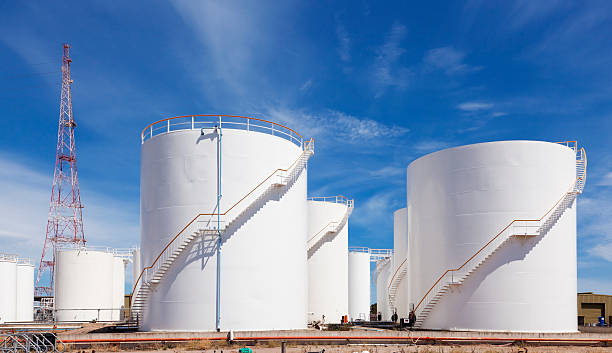
Implementing these energy-efficient insulation services not only results in significant power financial savings but additionally straightens with sustainability goals by reducing greenhouse gas emissions linked with home heating and cooling down procedures. As the industry progresses, the emphasis on insulation innovation will remain essential in making certain that storage tanks fulfill contemporary performance criteria while adding positively to ecological sustainability.
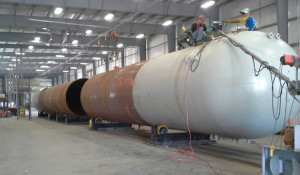

Automation in Tank Production
Developments in automation innovation are changing tank production, significantly boosting efficiency and accuracy. Automated systems currently play a vital role in different phases of manufacturing, from product taking care of to welding and setting up. These modern technologies minimize human intervention, thus decreasing the possibility of errors and raising throughput.
Robotic systems are progressively used for jobs such as welding and surface area treatment, ensuring consistent high quality and minimizing manufacturing time. Automated quality assurance systems utilize innovative sensors and artificial intelligence formulas to identify flaws in genuine time, permitting makers to attend to concerns quickly and preserve high requirements.
In addition, the assimilation of Web of Points (IoT) modern technology in container production helps with real-time surveillance of equipment and procedures. This connection leads to boosted functional insights, enabling makers to optimize process and upkeep schedules. Predictive analytics can prepare for tools failings, better improving reliability and reducing downtime.
Enhanced Safety Features
Incorporating enhanced security functions right into storage tank manufacturing has actually come to be a vital focus for market leaders. As the need for protected and reputable storage options expands, producers are adopting cutting-edge innovations and style concepts to reduce dangers connected with harmful materials.
One remarkable improvement is the consolidation of innovative leak discovery systems. These systems use sensors that keep an eye on tank stability, enabling early recognition of leaks and preventing environmental contamination. In addition, the usage of double-walled tanks includes an additional layer of defense, making certain that if the internal wall falls short, the external wall has any kind of potential spills.
Makers are applying pressure relief valves and overfill prevention systems to attend to prospective overpressurization and overflow circumstances. These mechanisms are created to activate instantly, substantially decreasing the danger of catastrophic failures.
The integration of clever monitoring technologies permits for real-time information collection and evaluation. This capacity makes it possible for proactive upkeep and quick reaction to any safety concerns, ensuring conformity with industry policies.
Often Asked Concerns
Just How Do Storage Tank Innovations Impact Overall Operational Costs?
Technologies in storage tank manufacturing significantly decrease functional prices by improving effectiveness, lessening upkeep requirements, and maximizing resource usage. These improvements result in decrease energy consumption and extended equipment life-span, eventually improving general economic performance for organizations.
What Industries Advantage A Lot Of From Advanced Storage Tank Technologies?
Industries such as oil and gas, chemicals, water therapy, and food processing greatly benefit from sophisticated storage tank technologies. These technologies boost security, enhance source monitoring, and improve operational effectiveness, inevitably reducing expenses and environmental influence.
Exist Details Accreditations for Eco-Friendly Storage Space Tanks?
Yes, specific qualifications for environment-friendly storage space tanks exist, such as the Green Building Council's LEED accreditation, ISO 14001 for environmental administration, and numerous industry-specific standards that ensure conformity with sustainability and security laws.
What Is the Life Expectancy of Modern Tank Compared to Standard Ones?
Modern tank normally possess a life expectancy of 30 to half a century, markedly exceeding standard containers, which usually last 15 to three decades. Advanced products and manufacturing techniques add to this boosted durability and longevity.
How Do These Technologies Affect Regulatory Conformity in Tank Manufacturing?
Technologies in tank manufacturing boost regulative important source compliance by integrating sophisticated products, automated surveillance systems, and improved design requirements. These developments ensure adherence to safety standards, minimize ecological impact, and advertise sustainability within the market.
The evolution of storage space container manufacturing is progressively driven by the integration of advanced materials made to boost durability and performance. Modular tank styles are transforming the storage tank industry by offering improved customization choices that cater to specific client needs. Maximizing space efficiency has come to be an important consideration in storage container design, especially with the development of modular storage tank configurations - Storage Tank Manufacturing. Technologies in storage space tank manufacturing significantly minimize functional expenses by boosting efficiency, decreasing maintenance requirements, and optimizing source use. Modern storage space containers typically have a life-span of 30 to 50 years, considerably surpassing conventional storage tanks, which usually last 15 to 30 years
Comments on “The evolving landscape of Storage Tank Manufacturing and sustainability”